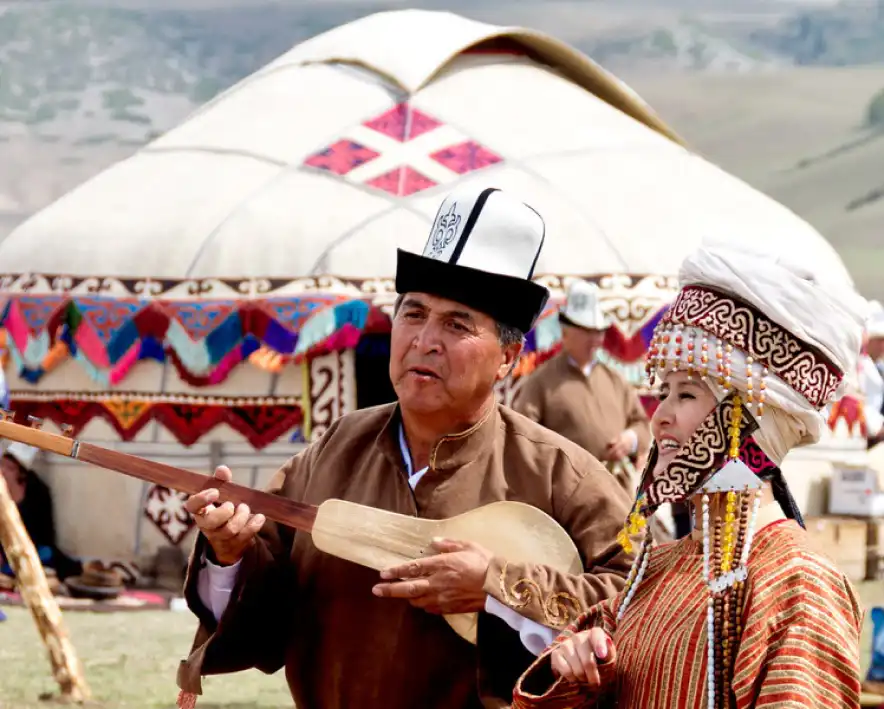
Kyrgyzstan
SILK ROAD DESTINATIONS
Kyrgyzstan was a significant part of the Silk Road due to its strategic location. It provided a connection between China, Persia, India, and the Middle East. Traders, merchants, and travelers passed through its mountainous terrain, stopping at bustling caravanserais and trading hubs.The Great Silk Road was an ancient trade network that connected China with Europe, passing through Central Asia, including present-day Kyrgyzstan. This route played a crucial role in cultural exchange, economic development, and the spread of technology, ideas, and religions.
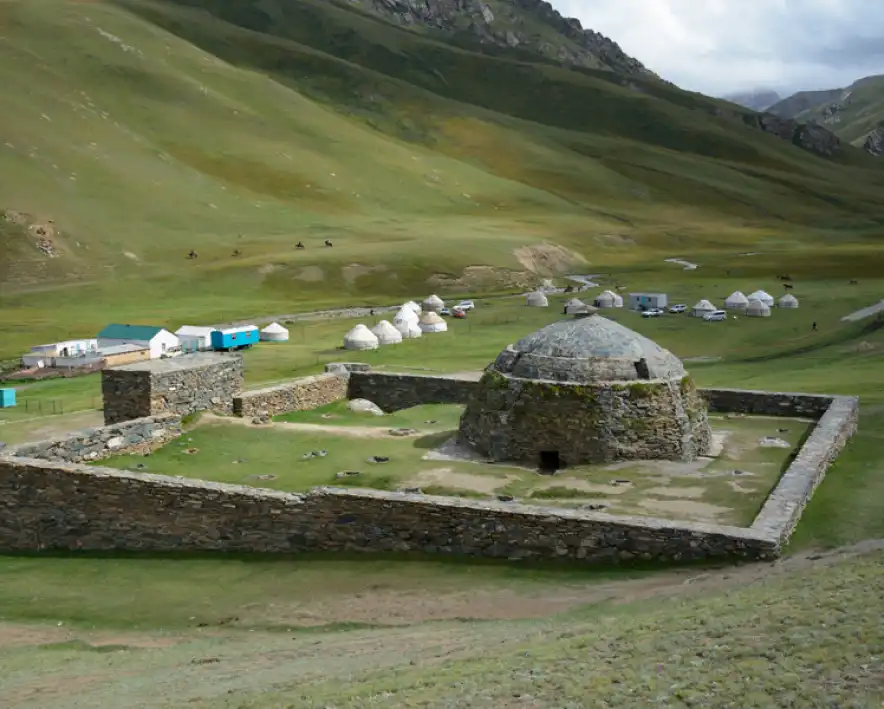
Osh: One of the oldest cities in Central Asia, known for its large and historic bazaar that still operates today.Balasagun: The capital of the Karakhanid Empire, home to the famous Burana Tower, a remnant of its glorious past.Tash-Rabat: A well-preserved stone caravanserai nestled in the mountains, offering insight into medieval trade routes.
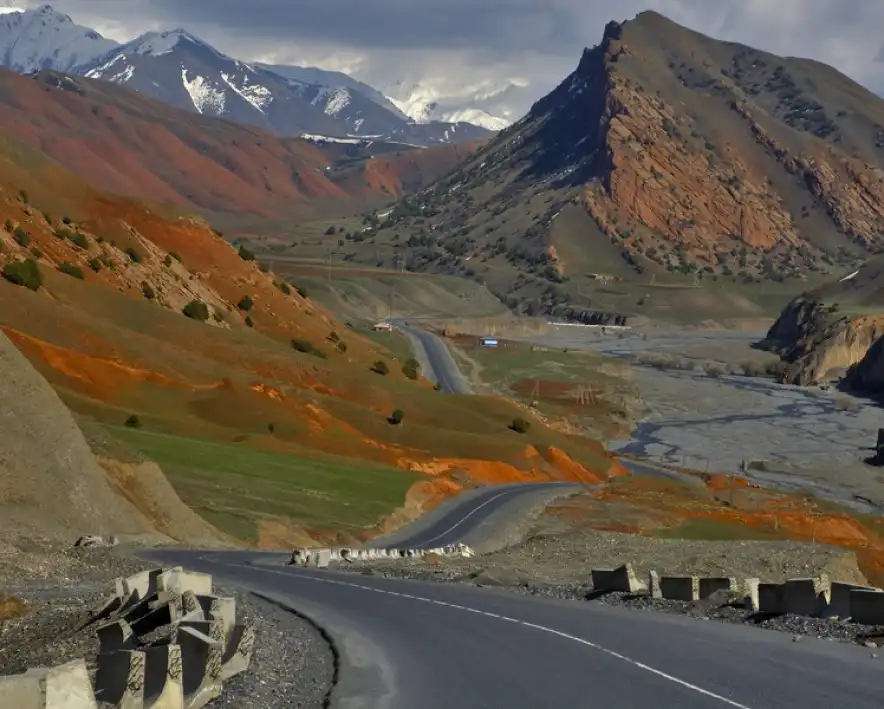
The Silk Road facilitated the exchange of goods such as silk, spices, ceramics, and precious stones. It also brought diverse cultures together, influencing local traditions, languages, and cuisines. Islam, Buddhism, and Christianity spread along the route, leaving their marks on Kyrgyz culture.
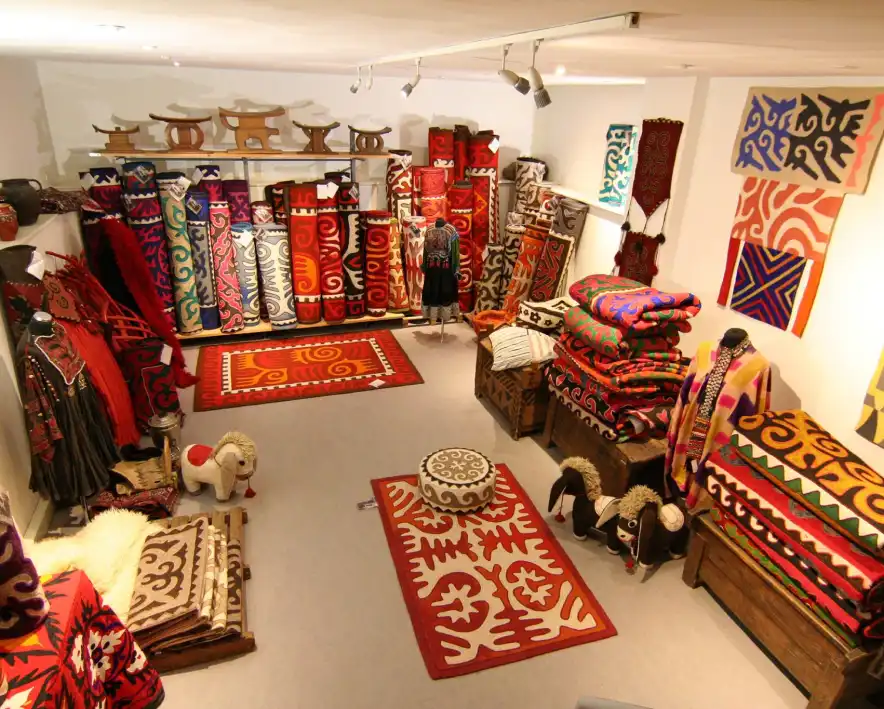
Today, remnants of the Great Silk Road can be seen in Kyrgyzstan’s historical sites, museums, and preserved trade routes. Efforts are being made to promote tourism and revive the historical significance of this ancient trade network.Kyrgyzstan’s role in the Great Silk Road highlights its rich history and cultural diversity. The country remains an essential part of Central Asia’s historical narrative, preserving the legacy of this legendary trade route.